
Building a strong brand is one of the most important steps for any business that wants to grow, stand out, and build trust. If you are starting from the beginning or improving an existing identity, you need to think clearly, do your research, and use the right tools.
Competitor research is especially important because it helps you see what others are doing, what the market expects, and where you can be different. If you don’t have this foundation, branding becomes guesswork instead of a strategic process.
In this blog, we will explore how competitor research and the right tools help you create a strong and future-proof brand.
1. Introduction to Brand Creation
Brand creation is the process of building the identity, message, and perception of your business. It includes everything from your visual elements to your values and customer experience. Today, many businesses work with a professional branding company to ensure a clear and consistent brand structure.
A strong brand helps customers understand who you are and why they should choose you. It also guides your marketing, communication, and long-term growth.
What Brand Creation Involves
Brand creation involves shaping the full identity of your business and making it easy for the audience to recognize and trust you. This includes creating visual elements, setting a tone of voice, and aligning your strategy with customer expectations.
This process is not just about design; it’s also about understanding the market and developing a brand identity that reflects your values. A clear branding structure also supports better communication and marketing performance. If you want to build your brand with a clear, actionable roadmap, you can follow our step-by-step branding guidelines in our recent blog “Building a Strong Brand From Scratch“.
Why Competitor Research Is a Foundational Component
Competitor research helps you understand what exists in the market before creating your own positioning. By studying direct and indirect competitors, you can identify trends, strengths, weaknesses, and opportunities.
This research also shows how brands communicate, what customers respond to, and where businesses often struggle. With this information, you can make better strategic decisions and avoid common mistakes.
How Branding Agencies Approach Brand Development
Branding agencies take a structured approach to building strong brand identities. They research the market, study competitors, and develop data-driven strategies. This helps businesses create a brand that is consistent, unique, and relatable. Agencies also use advanced tools to understand audience behavior and brand perception. A professional process usually includes research, identity development, messaging strategy, and implementation planning.
2. Understanding Competitor Research
Competitor research is a foundational step for any brand that wants to position itself clearly and succeed in a competitive market. If you understand who else operates in the same area, what they offer, how they communicate, and their strengths and weaknesses, you gain valuable insight. This research helps you see market norms, uncover gaps, and shape a distinctive brand identity.
Definition and Purpose of Competitor Research
Competitor research, also known as competitor analysis, involves systematically studying other businesses in your industry or niche.
The main purpose of competitor research is to analyze competitors’ products or services, pricing, marketing strategies, brand messaging, and digital presence, and use this information as a benchmark. This allows you to:
- Understand industry standards and customer expectations.
- Identify the strengths and weaknesses of competitors and compare them with your own business.
- Spot opportunities and threats in the market before you make strategic decisions.
- Inform your own brand strategy so that you don’t copy others but differentiate in a meaningful way.
Competitor research helps you base your brand decisions on real data and observations rather than opinion or guesswork.
Types of Competitors: Direct and Indirect
When you conduct competitor research, it is important to classify competitors. Typically, you categorize them as;
- Direct competitors: Those who offer products or services that are the same or very similar to yours, targeting the same customer base and meeting the same needs.
For example, if your company develops project management software, direct competitors would include platforms like Asana or Trello offering similar tools for task tracking, collaboration, and workflow management. - Indirect competitors: Companies that serve the same market or meet similar customer needs, but in different ways, rather than offering identical products or services.
For example, indirect competitors might include communication tools like Slack or Microsoft Teams, which don’t offer full project management features but still solve similar needs around team coordination and workflow alignment.
Once you have found these competitors, using a SWOT analysis can help you understand them better. SWOT helps you and your competitors think about:
- Strengths: What the competitor does well (e.g., strong brand name, good pricing, wide reach)
- Weaknesses: Where the competitor falls short (e.g., weak digital presence, narrow service offering)
- Opportunities: Market gaps or growing customer needs that competitors haven’t filled
- Threats: External risks, such as new entrants, changing customer behavior, market saturation, etc.
Using SWOT in competitor research gives you a structured snapshot of how each competitor stands and where your brand might succeed by doing something different.
Core Elements to Examine (Identity, Messaging, Digital Presence)
When analyzing competitors, there are certain core elements you should always examine. These give you a holistic view of how they present themselves and what you need to consider when shaping your brand. Important elements include:
- Brand Identity: Visual and design aspects: logo, color palette, typography, overall style, and consistency across touchpoints.
- Messaging and Communication Tone: How they speak to their audience: voice, key messages, value propositions, brand story, and brand values.
- Digital Presence & Online Behavior: Their website structure and UX, social media activities, content strategy, SEO and keyword positioning, user reviews and feedback, and how they interact with customers online.
By analysing these, you can see what competitors are offering and how they are presenting themselves. This helps you to create a unique and effective brand presence.
3. Conducting Competitor Research Step-by-Step
Competitor research becomes much more effective when you follow a structured approach. Instead of collecting random information, defining clear steps helps you understand the market in a more focused way. This process also gives you a strong base for shaping your brand identity and strategy. A simple, clear method ensures that businesses can compare insights and make consistent decisions over time.
Defining the Market Scope (Local, Global, USA & Europe)
Before evaluating competitors, you need to define the scope of your market. Some brands operate only locally, while others target customers in the USA, Europe, or globally. Understanding your scope helps you choose which brands to compare yourself with.
For example, a tech startup in Berlin may analyze both local competitors and major players in the US to understand global expectations. However, a boutique brand in the USA may focus more on regional competitors with similar audiences.
Methods for Gathering Data
Collecting data helps you understand how your competitors are positioning themselves. You can find information about them on their websites, social media, customer reviews, and publicly available reports. Manual review is often enough for small businesses, while larger companies may use analytics tools like SimilarWeb, SEMrush, Ahrefs, Brandwatch, or BuzzSumo to gain deeper insights.
For example, visiting a competitor’s website helps you observe their visual identity and messaging. Checking customer reviews on platforms like Google Reviews, Trustpilot, or G2 helps you understand how audiences perceive them.
Evaluating Competitor Brand Identity
To understand a competitor’s brand identity, you need to look closely at how they present themselves. This includes how it looks, the tone of the words, and how they make people feel. When you learn about their identity, you start to see patterns that influence customer decisions.
For example, a competitor using calm colors and a soft tone may be positioning themselves as a premium or trustworthy brand. Another competitor focusing on bold colors and very short messages might aim for fast, modern, or tech-driven communication.
Identifying Gaps and Opportunities for Differentiation
Once you understand the competitive landscape, the next step is to identify what others are missing. These gaps reveal where your brand can position itself more effectively. This may involve communication style, visual identity, product features, service quality, or customer experience. The best way to do this is to use a SWOT analysis.
Well, then, what is SWOT analysis?
SWOT analysis is a strategic framework used to understand a brand’s internal strengths and weaknesses, as well as the external opportunities and threats in the market. It helps businesses clearly see where they perform well, where they struggle, and which market conditions can support or challenge their growth. By organizing insights into these four areas, companies can make more informed decisions, refine their positioning, and uncover new opportunities for differentiation.
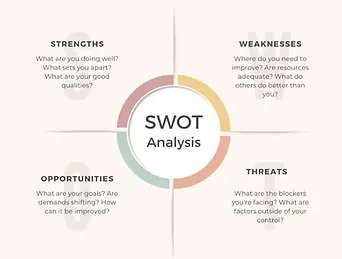
- Strengths: What your brand can do better than competitors (e.g., faster delivery, superior design quality).
- Weaknesses: Areas where competitors perform better or where you need improvement (e.g., limited brand awareness, fewer product variations).
- Opportunities: Market gaps or unmet customer needs that your brand can leverage. For example, if competitors lack emotional storytelling, you can differentiate with a more human-centered narrative.
- Threats: External factors that could affect your positioning, such as increasing competition, changing regulations, or emerging technologies.
4. Tools Used for Competitor and Brand Analysis
If you want to build a brand for a business that is targeting global markets, such as the USA and Europe, it is very important to use the right tools to analyze your competitors and your brand.
These tools help you gather data systematically, compare performance, and shape insights that guide your brand identity and strategy. Here are some of the most important types of tools that a lot of agencies and companies use when they are researching competitors and developing brands.
Website & SEO Analysis Tools
To see how your competitors are doing on search engines and what tricks they are using, it is important to use SEO and website analysis tools.
- SEMrush: Offers comprehensive SEO competitor analysis: organic and paid search data, keyword gaps, backlink profiles, and site audits.
- Ahrefs: Strong backlink and keyword research capabilities also help uncover what drives competitor traffic and where you might find growth opportunities.
- Similarweb: Useful for traffic analysis, market trends, and comparing overall website performance among competitors.
- Screaming Frog SEO Spider: Excellent for technical audits: site structure, broken links, page speed, and other backend SEO factors.
These tools help you benchmark against competitors, identify SEO or content gaps, and shape your website strategy as part of your brand identity building.
Social Listening and Brand Monitoring Tools
Understanding how a brand is perceived across social media, forums, blogs, and other public channels is crucial. Social listening tools help track mentions, sentiment, engagement, and competitor activity online:
- Brandwatch: Provides deep social media analytics, sentiment tracking, and broader brand monitoring across different platforms.
- BuzzSumo: Helps analyze content performance, popular topics, and what content resonates with the audience, valuable for content-led brand strategy.
- Sprout Social: Offers social media tracking, competitor benchmarking, and insight into post performance and audience engagement.
These tools enable you to understand public perception of competitors, see what kind of content or communication resonates, and align your brand’s messaging strategy accordingly.
Visual Identity and Creative Development Tools
Although many tools focus on data and analytics, for branding, you also need platforms that help shape the visual side of your business and your creative assets. There is no single tool that can do everything, but agencies often combine design software, brand asset management platforms, and moodboard/collaboration tools.
For example, Figma is widely used for interface design, prototyping, and collaborative brand systems, while Canva offers an accessible solution for creating quick, consistent brand visuals and social media assets. Together, these platforms help build a clear and scalable brand identity.
- Logo, color palette, typography design, and consistency
- Visual style guidelines across digital and print media
- Brand asset libraries and version control for visual identity
These tools help ensure that the brand identity remains consistent across all touchpoints, which is essential when aiming for high-quality branding solutions.
Customer Research and Audience Insight Tools
It’s just as important to understand your audience as it is to understand your competitors. Research tools help collect data on how customers behave, what they like, and what the latest market trends are.
Platforms like SurveyMonkey, Typeform, and Google Forms make it easy to gather direct customer feedback through structured surveys. For a broader audience insights, tools such as YouGov, GWI (GlobalWebIndex), and Statista provide detailed data on demographics, interests, and consumer behavior trends.
- Using survey tools or feedback platforms such as SurveyMonkey, Typeform, and Google Forms to collect direct customer opinions.
- Analyzing social media and review data using social listening tools like Brandwatch, Sprout Social, or Meltwater to understand user perception and unmet needs.
- Conducting audience research through tools like YouGov, GWI (GlobalWebIndex), and Statista to map demographics, interests, and customer journey expectations.
These insights help define your brand’s identity, messaging, and positioning. This ensures that your branding solutions connect with real customers, not just assumptions about what they might want.
5. Turning Insights into a Strong Brand Strategy
After you have researched your competition and learned about the market, you need to turn all of this information into a strong brand strategy. A strong strategy gives your brand direction, clarity, and consistency. It guides how you communicate, how you design your identity, and how you position your business in competitive markets.
Creating a Clear Value Proposition
A value proposition explains why customers should choose your brand instead of others. It is the most direct expression of your brand’s promise. Based on the insights gathered from competitor research, your value proposition should highlight what makes your brand unique and how you solve customer needs better than alternatives.
To help create a strong value proposition, many branding professionals use simple templates. Below are some commonly used structures:
1) Option 1: “For… who… our product… unlike…”
This template is useful because it clearly shows the audience, the problem, the solution, and how your brand differs.
- For [target audience]
- Who want/need [customer need]
- Our brand provides [core benefit].
- Unlike [main competitor or category]
2) Option 2: “We help… to… by…”
This structure works especially well for service-based businesses or agencies.
- We help [target audience].
- To achieve [goal or outcome]
- By offering [unique solution or capability]
3) Option 3: “(Brand) is the only… that…”
This template forces brands to identify the one thing that truly sets them apart.
- [Brand name] is the only [category].
- That [unique advantage or differentiating point]
A clear value proposition helps shape both brand messaging and design decisions. It anchors communication around real value, not assumptions.
Famous Brand Value Proposition Examples
1) Apple: “The best user experience through innovative technology.” Apple focuses on simplicity, premium design, and seamless user experience. The value proposition clearly states that the brand offers advanced technology that is easy to use, reliable, and beautifully designed. This makes Apple a leader in new technology and high-quality consumer electronics.
2) Slack: “Be more productive at work with a single place for communication.” Slack promises improved team productivity by bringing all communication into one platform. The value proposition highlights the core benefit (productivity), the customer target (teams at work), and the solution (centralized communication). This simple but clear statement helped Slack grow quickly among global businesses.
Building a Distinct Visual and Verbal Identity
Your visual and verbal identity defines how customers recognize and understand your brand. Visual identity includes colors, typography, logo design, and layout structure. Verbal identity includes tone of voice, messaging principles, and the language style you use across all touchpoints. Competitor insights help position your identity in a unique way. For example:
- If most competitors use corporate, formal language, you may choose a clearer and human-centered tone.
- If competitor visuals look similar, you might create a modern, minimal style to communicate clarity.
- If competitors use dark colors, you may choose a lighter palette to reflect simplicity or trust.
A strong identity is not only about looking different, but it is also about being consistent and meaningful. When your visual and verbal systems work together, your brand becomes recognizable and credible in markets like the USA and Europe.
Branding Solutions Commonly Applied by Businesses in the USA & Europe
Companies in the USA and Europe often use structured branding solutions to stay competitive and maintain a strong market presence. Some common approaches include:
- Brand Positioning Frameworks: Businesses define where their brand sits in the market and how they differ from others. This guides messaging, design, and communication choices.
- Comprehensive Brand Guidelines: Detailed rules covering logo usage, colors, typography, tone of voice, and visual layouts to ensure consistency across all platforms and markets.
- Customer-Journey-Based Communication: Crafting messages and visuals according to each stage of the customer journey: awareness, consideration, and purchase.
- Digital-First Identity Systems: Many brands in the USA & Europe build identities optimized for websites, social media, and digital products before print materials.
- Content-Driven Branding: Creating blogs, campaigns, and educational content to strengthen brand visibility and thought leadership.
- Brand Performance Tracking: Using analytics tools to monitor how the brand performs over time, adjusting strategy as needed.
These solutions help businesses create lasting connections with customers and position themselves strongly in competitive global markets.
6. Common Mistakes in Competitor Research
Competitor research offers valuable insights, but it can also lead to wrong decisions if not handled carefully. Many brands either look at competitors too closely or focus on the wrong things. If you understand these common mistakes, you can build a more balanced and strategic approach.
Overemphasizing Trends
Trends can show how the market is moving, but if you focus too much on them, it might make your brand strategy weaker. Not every trend is relevant to your industry, your audience, or your long-term goals.
For example, a visual style that becomes popular for a short period may not match your brand identity or values. Relying only on trends can cause inconsistency and make your brand lose its unique voice. A better approach is to observe trends, but use them only when they truly support your positioning and customer needs.
Misinterpreting Data or Market Signals
Competitor data must be interpreted with context. Numbers alone do not always show the full story. High website traffic might come from short-term campaigns, not long-term brand strength. A strong social media presence does not always mean high customer loyalty.
Misreading these signals can lead to wrong decisions and misplaced priorities. To avoid this, it is important to combine quantitative data (like traffic, engagement, and rankings) with qualitative insights (like customer reviews, storytelling style, visual identity, and brand perception). This creates a more accurate and balanced view of the market.
Copying Competitors Instead of Differentiating
You should use what your competitors are doing to understand the market, not just copy them. When brands try to look or sound the same as competitors, they lose their own identity and fail to communicate real value.
Competitor insights should help you understand what exists in the market, not repeat it. Instead, the goal is to identify gaps, weaknesses, or unmet needs and position your brand more effectively. Differentiation makes your message clearer, strengthens brand recognition, and increases long-term customer trust.
Most of the tools we mentioned like SEO platforms, social listening tools, design software, survey systems, and audience research solutions, are accessible for anyone to use. However, using these tools effectively requires strategic interpretation, creative direction, and the ability to translate data into a cohesive brand identity. That’s why working with a branding agency can help turn these ideas into a clear, consistent, and growth-focused brand strategy.
When to Consider Working with a Professional Branding Company
You might consider partnering with a professional branding company when:
- Your brand needs a full identity overhaul, from visual design to messaging, strategy, and positioning.
- You lack internal expertise or resources for comprehensive research, analysis, and execution.
- You are targeting international markets and need branding that meets global standards.
- You prefer a data-driven, structured approach combining tools, research, and creative development to deliver long-term branding solutions.
Professional branding companies bring experience, access to advanced tools, market insight, and a holistic approach that covers both analytical and creative aspects of brand building.
7. How DigiMinds Supports Brands in Competitor Research & Strategy Development
DigiMinds helps businesses turn market research and competitor analysis into a clear, actionable brand strategy. Whether you are a startup or an established company aiming to expand into the USA & Europe, DigiMinds combines data insight, creative thinking, and strategic planning to build brands that stand out and grow.
Comprehensive Competitor & Market Analysis Services
DigiMinds begins by mapping the competitive landscape relevant to your business, both locally and globally. This includes identifying direct and indirect competitors and analyzing their brand identity, messaging, digital presence, pricing strategies, and customer feedback. By doing so, DigiMinds offers a clear overview of where the market stands, what competitors are doing, and where there is room for differentiation. This comprehensive analysis ensures that your brand strategy is built on real market data, not assumptions.
Data-Driven Brand Identity Development
Using the insights from research, DigiMinds helps craft a brand identity that speaks directly to your target audience while standing apart from competitors. This involves defining visual identity (logo, colors, typography), tone of voice, value proposition, and brand messaging, all based on actual market needs and competitor gaps. The result is a clear brand identity that meets global standards and connects with customers, whether you’re targeting the USA, Europe, or other regions.
Strategic Branding Solutions Tailored for Growth
DigiMinds offers branding solutions designed for growth and scalability. These solutions cover brand positioning, customer journey mapping, content strategy, and communication plans, all tailored to the specific market and audience. For businesses expanding internationally, this means creating branding strategies that can adapt to different markets while remaining consistent. With these tailored solutions, brands can launch products or services with confidence, reach wider audiences, and build long-term trust.
Tools, Frameworks, and Reporting Methodology Used by DigiMinds
Behind every analysis and creative decision, DigiMinds uses a structured toolkit and methodology. This includes tools for competitor analysis, market research, data tracking, and brand performance monitoring. DigiMinds also uses internal frameworks to evaluate brand identity, benchmark against competitors, and plan brand development roadmaps. At each step, the agency delivers clear reports and actionable recommendations, giving businesses a transparent path from research to implementation.
8. Key Takeaways for Building a Stronger Brand
Creating a strong brand requires more than visuals. It starts with understanding the market, identifying gaps, and shaping a clear value proposition. Competitor research helps brands make informed decisions, communicate more effectively, and position themselves with confidence.
With the right tools, structured methods, and strategic guidance, businesses can build a brand that grows sustainably in both local and global markets. Here are the key actions you can take next:
- Define your competitive landscape by listing direct and indirect competitors in your target markets.
- Conduct a simple SWOT analysis for each competitor to understand strengths, weaknesses, opportunities, and threats.
- Review competitor websites and messaging to identify tone, visuals, and value propositions.
- Use basic research tools (Google Trends, Similarweb, SEMrush free reports, Meta Ad Library) to collect data.
- Identify gaps in the market and determine how your brand can communicate differently.
- Create a basic value proposition statement
- Document insights in one place so you can begin shaping your brand identity and growth strategy.
9. FAQ
To build a strong brand that stands out and is ready for the future, you need to do three things. First, you need to do research. Second, you need to keep an eye on your competitors. And third, you need to understand all of this and use it to make smart decisions. Below, you’ll find short answers to the most common questions about researching competitors, analyzing markets, and developing brands.
1. How often should competitor analysis be conducted?
Competitor analysis is not a one-time task. To keep up with shifting market dynamics, it should be performed at least 2-3 times a year. In fast-moving industries, quarterly reviews help brands spot opportunities and stay ahead.
2. When is the right time to work on brand positioning?
Brand positioning is essential when launching a new brand, entering new markets, undergoing a rebrand, or when competition intensifies. It helps brands reset their identity, sharpen their message, and claim a clear space in the market.
3. Why do branding strategies fail without proper market research?
Without market research, brands lose visibility into real customer needs, competitor strengths/weaknesses, and emerging opportunities. This leads to weak positioning, ineffective communication, and unnecessary budget loss.
4. How is a data-driven branding strategy created?
A data-driven strategy combines insights from competitor analysis, audience research, market trends, industry benchmarks, and internal brand performance metrics. When these insights are aligned, brands can build sharper positioning and more effective campaigns.
5. What tools are commonly used in professional competitor and market analysis?
Competitor and market analysis typically rely on a mix of SEO tools, social listening platforms, market trend databases, and brand performance dashboards. These tools provide the quantitative and qualitative insights needed to guide strategic decision-making.
10. Contact & Support
Building a strong, insight-driven brand requires a clear understanding of your market, competitors, and customer expectations. In this guide, we explored how research-backed branding helps businesses stand out, make smarter decisions, and create long-term value. If you’re starting from scratch or just making small changes, the right information is key.
At DigiMinds, we support businesses through end-to-end competitor research, market analysis, and brand strategy development. Our team provides comprehensive reporting, data-driven insights, visual identity guidance, and strategic recommendations tailored to your growth goals. If you’d like expert support in strengthening your brand, our consultants are here to help with customized solutions and ongoing strategic guidance.
If you’re ready to build a brand that feels confident, consistent, and globally competitive, our team is here to guide you every step of the way.
Contact us via phone at +90 507 830 2127 or email at info@digimindssolutions.com.
References:
- Wikipedia: https://en.wikipedia.org/wiki/SWOT_analysis
- InteMarketing: https://www.intemarketing.org/marketing-information/marketing-analysis/competitor-analysis
- Indeed: https://www.indeed.com/career-advice/career-development/competitor-analysis
- Coursera: https://www.coursera.org/gb/articles/competitor-analysis
- MailChimp: https://mailchimp.com/resources/what-is-competitor-analysis/
- SemRush: https://tr.semrush.com/features/seo-competitor-analysis-tool/
- Spyfu: https://www.spyfu.com/blog/best-competitor-analysis-tools/
- Ahrefs: https://ahrefs.com/blog/competitor-analysis-tools/
- SFGate: https://marketing.sfgate.com/blog/competitive-analysis-in-marketing