
How to Create a Social Media Strategy for Your Business (Step-by-Step Guide)
- DigiMinds Solutions

- Jun 4
- 14 min read

Social media has become one of the most accessible marketing channels for businesses of all sizes. Yet despite posting regularly, many businesses still struggle to generate meaningful engagement, website traffic, leads, or sales.
The problem is rarely a lack of content. More often, businesses fail to see results because they do not have a social media strategy.
Posting a few times per week, following trends, or experimenting with different platforms can create activity, but activity alone does not create business growth. A social media strategy provides direction. It helps businesses understand who they are speaking to, what they should be sharing, where they should be publishing content, and how success should be measured.
Whether you are a startup building awareness, a small business trying to generate leads, or a growing company looking to strengthen your brand presence, a structured social media strategy can help turn social media from a time-consuming task into a measurable growth channel.
In this guide, we will walk through the essential components of a successful social media strategy and provide a step-by-step framework you can use to create one for your business.
1. What Is a Social Media Strategy?
A social media strategy is a structured plan that defines how a business uses social media platforms to achieve specific marketing and business goals.
Rather than posting content randomly, a social media strategy provides a clear framework for decision-making and content planning.
A strong social media strategy typically includes:
Business objectives that define what success looks like.
Target audience research to understand who the content should reach.
Platform selection based on audience behavior and business goals.
Content pillars that guide content creation and maintain consistency.
Performance metrics used to measure results and track progress.
A well-defined strategy also helps businesses:
Use time and marketing resources more effectively.
Maintain consistent messaging across platforms.
Create content with a clear purpose.
Improve long-term brand recognition.
Make data-driven decisions and optimize performance over time.
Instead of reacting to trends without direction, businesses with a strategy can focus on activities that support sustainable growth and measurable business outcomes.
Social Media Strategy vs Social Media Posting
A social media strategy is a structured plan that connects content creation to business goals, while social media posting is simply the act of publishing content. Posting is part of a strategy, but it is not a strategy on its own.
Many businesses assume that posting regularly means they have a social media strategy. However, a strategy goes beyond content creation and defines the purpose behind every post.
A social media strategy helps answer key questions such as:
Why are we posting?
Who are we trying to reach?
What action do we want our audience to take?
How does this support business goals?
How will we measure success?
For example, a business may publish three Instagram posts per week. While this creates activity, it does not necessarily contribute to growth unless those posts are guided by clear objectives, audience insights, and performance metrics.
Without answering these questions, social media becomes reactive rather than strategic.
Why Businesses Need a Social Media Strategy
Businesses need a social media strategy because social media platforms have become increasingly competitive. Consumers are exposed to thousands of messages every day. To stand out, businesses need consistency, relevance, and clarity.
A strategy helps businesses:
Create content with purpose
Build stronger brand recognition
Reach the right audience
Improve engagement
Generate qualified traffic
Support lead generation efforts
Measure marketing effectiveness
As social media becomes a more important part of the customer journey, businesses must also focus on building relationships rather than simply increasing visibility. Consistent engagement can help strengthen trust and support long-term customer loyalty.
For a deeper look at how social media contributes to customer relationships and business growth, explore our guide on Social Media for Customer Engagement and Sales.
Without a strategy, social media often becomes a collection of disconnected posts that fail to contribute to long-term business objectives.

2. Benefits of Having a Social Media Strategy
A social media strategy helps businesses improve consistency, strengthen audience engagement, generate better marketing results, and align social media efforts with broader business goals.
A well-developed social media strategy creates benefits that extend far beyond likes and follower counts. When social media activities are guided by clear objectives, businesses can build awareness, trust, and long-term growth more effectively.
Some of the key benefits include:
Increased brand awareness
Stronger audience engagement
Higher content quality
Better customer relationships
More website traffic
Improved lead generation
Easier performance tracking
Better return on marketing investment
Consider the difference between two companies:
Business Without Strategy | Business With Strategy |
Posts randomly | Follows a structured plan |
Unclear goals | Defined objectives |
Inconsistent messaging | Consistent brand voice |
Measures vanity metrics | Tracks business outcomes |
Reacts to trends | Builds long-term growth |
Over time, the business with a strategy typically experiences more predictable and sustainable results.
3. Key Elements of a Successful Social Media Strategy
Successful social media strategies share several common elements regardless of industry, company size, or platform.
These components work together to create a structured framework that guides content creation and decision-making.
A successful strategy includes:
Clear Business Goals: Every social media activity should support a specific business objective, whether it is increasing brand awareness, generating leads, driving website traffic, improving customer retention, or boosting sales.
Defined Target Audience: Understanding who you want to reach helps shape content topics, messaging, platform selection, and engagement strategies. Audience research ensures content is relevant and valuable to the people most likely to become customers.
Appropriate Platform Selection: Not every platform is suitable for every business. A successful strategy focuses on the channels where the target audience is most active rather than trying to maintain a presence everywhere.
Content Pillars: Content pillars are the core themes that guide content creation. These themes help maintain consistency and ensure that content supports both audience interests and business objectives.
Consistent Brand Messaging: Maintaining a consistent tone of voice, visual identity, and brand message across all platforms helps strengthen brand recognition and build trust over time.
Content Planning Processes: A structured content planning process helps businesses maintain publishing consistency, coordinate campaigns, and create content that aligns with seasonal trends, product launches, and business priorities.
Performance Metrics: Measuring key performance indicators (KPIs) such as engagement, reach, website traffic, lead generation, and conversion rates provides insight into what is working and what needs improvement.
Continuous Optimization: Social media strategies should evolve based on performance data, audience behavior, platform changes, and business goals. Regular analysis and adjustments help improve results over time.
If one of these elements is missing, social media efforts often become fragmented and less effective.
For example, a business may create excellent content but struggle to generate results because it is targeting the wrong audience. Another company may have clear goals but no system for measuring progress. The strongest strategies treat social media as an interconnected system rather than a collection of individual posts.
4. How to Create a Social Media Strategy for Your Business
Building a social media strategy does not require a large marketing team or an unlimited budget. What matters most is having a structured process that connects social media efforts to business goals.
The following framework outlines the key steps businesses can follow to build a practical and scalable social media strategy.
Step 1: Define Your Business Goals
Every successful social media strategy begins with clear goals. Before creating content, businesses need to understand what they want social media to achieve.
Social media should not operate independently from the rest of the business. Instead, it should support broader marketing and business objectives. When goals are clearly defined, it becomes easier to determine what type of content to create, which platforms to prioritize, and how success will be measured.
Common goals include:
Increasing brand awareness
Driving website traffic
Generating leads
Growing an email list
Building a community
Improving customer retention
Supporting product launches
Increasing sales
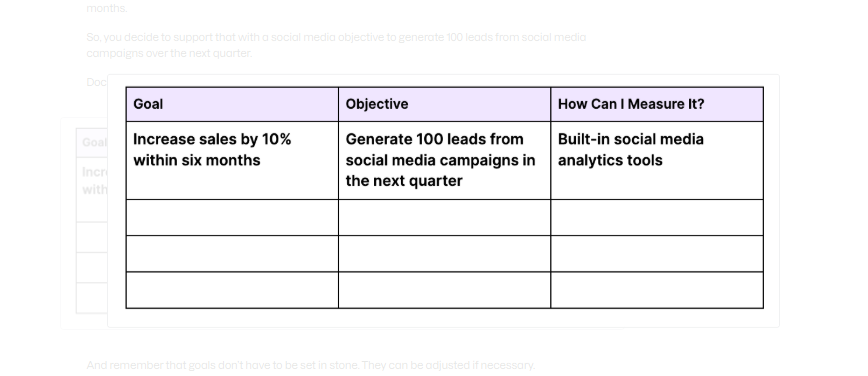
The most effective goals are specific and measurable.
For example: Instead of saying, "We want more visibility."
A stronger goal would be: "Increase website traffic from social media by 25% within six months."
Clear goals help determine platform selection, content strategy, and performance metrics.
Step 2: Identify Your Target Audience
A social media strategy becomes significantly more effective when businesses understand exactly who they are trying to reach.
Audience research should go beyond demographics. Rather than simply identifying age or location, businesses should understand:
Pain points
Motivations
Interests
Buying behavior
Preferred platforms
Content preferences
Understanding audience behavior is often more valuable than demographic information alone. To better understand your audience, focus on:
Goals and motivations
Common challenges
Content preferences
Buying behavior
Preferred social media platforms
The better you understand your audience, the easier it becomes to create relevant and engaging content.
For example, a B2B startup founder and an eCommerce shopper may both use LinkedIn, but they consume very different types of content.
Creating audience personas can help businesses visualize their ideal customers and create more relevant content.
Questions worth asking include:
What problems are they trying to solve?
What information are they looking for?
What influences their decisions?
Which platforms do they use most often?
The more clearly a business understands its audience, the easier it becomes to create content that resonates.

Step 3: Choose the Right Social Media Platforms
One of the biggest mistakes businesses make is trying to be active everywhere.
A stronger approach is to focus on the platforms that best align with audience behavior and business goals.
Managing multiple platforms requires significant time, resources, and content production capacity. Businesses often achieve better results by concentrating on one or two primary platforms before expanding to additional channels. A focused strategy typically leads to higher-quality content, stronger engagement, and more efficient resource allocation.
Different platforms serve different purposes.
Platform | Best For |
B2B marketing, professional networking | |
Visual storytelling, lifestyle brands | |
Communities, local businesses | |
YouTube | Educational content and long-form content |
TikTok | Brand awareness and short-form engagement |
X (Twitter) | Industry conversations and real-time updates |
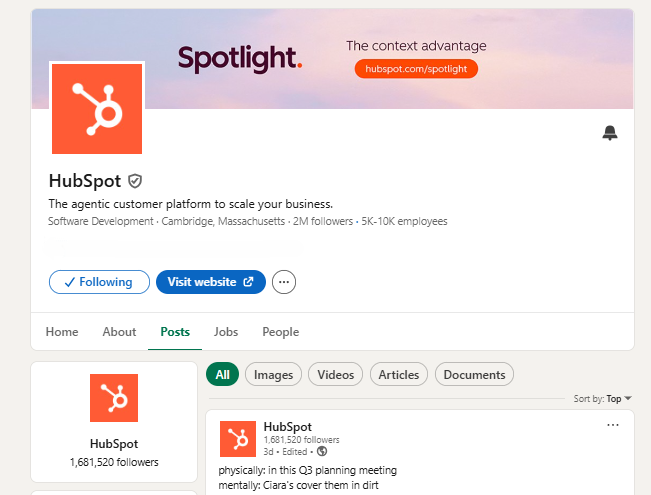
For example, HubSpot invests heavily in LinkedIn because its audience consists primarily of marketers, sales professionals, and business decision-makers. Much of its social media strategy revolves around educational content, industry insights, and thought leadership.
If you are unsure which platforms deserve your attention, read our guide on Which Social Media Marketing Platform Is Best for Your Business? to compare the strengths of today's most popular social media channels.
The goal is not to be everywhere. The goal is to be where your audience is.
Step 4: Define Your Content Pillars
Content pillars are the main categories of content a business consistently creates. They provide structure and help maintain consistency over time.
Without content pillars, businesses often run out of ideas and resort to posting random content that lacks a clear purpose or connection to business goals. Content pillars help ensure that every piece of content supports a broader strategy while addressing different audience interests.
A practical content pillar framework might include:
Educational content
Industry insights
Brand storytelling
Customer success stories
Product or service content
For example, a project management software company might use:
Productivity tips
Industry trends and insights
Customer success stories
Product tutorials
Company updates and announcements
This approach creates a balanced content mix that serves different audience needs while supporting business objectives. Some content may focus on attracting new audiences, while other content helps build trust, demonstrate expertise, or encourage conversions.
This structure ensures content remains relevant while supporting different stages of the customer journey.
Step 5: Create a Social Media Content Calendar
A content calendar transforms strategy into action. It helps businesses organize content, maintain consistency, and align social media activity with broader marketing initiatives.
An effective content calendar typically includes:
Publishing dates
Content formats
Platforms
Campaigns
Promotions
Responsible team members
Rather than planning one week at a time, businesses should aim to plan content at least one month in advance. This approach reduces last-minute content creation and improves overall content quality.
A content calendar also makes it easier to balance different content types and avoid excessive promotional posting.
To build this process in more detail, read our step-by-step guide on How to Create a Content Calendar for Your Business.

Step 6: Establish Your Brand Voice and Messaging
Brand voice is how a business communicates with its audience. It influences everything from captions and comments to video scripts and campaign messaging.
A strong brand voice helps create consistency across platforms and strengthens brand recognition.
When defining brand voice, businesses should consider:
Personality
Tone
Language style
Core messaging themes
For example, Duolingo stands out on social media as its highly recognizable brand voice. Whether publishing on Instagram or X, the company maintains a playful and humorous tone that audiences instantly recognize.
While not every business should copy Duolingo's style, every business can benefit from creating a voice that feels consistent across platforms.


If a business sounds professional on LinkedIn but casual on Instagram and completely different on its website, audiences may struggle to form a clear perception of the brand.
Consistency is one of the most important factors in building brand recognition and audience trust over time. To learn more about maintaining a consistent presence across platforms, explore our guide on Consistent Social Media Management for Brand Awareness.
Step 7: Set KPIs and Success Metrics
Many businesses focus on metrics that look impressive but provide little business value. Follower counts and likes can be useful indicators, but they rarely tell the full story.
A successful social media strategy measures outcomes that align with business goals.
Common KPIs include:
Reach
Impressions
Engagement rate
Website traffic
Leads generated
Conversion rate
Customer acquisition cost
Revenue influenced by social media
For example, if the goal is lead generation, website conversions may be more important than follower growth. If the goal is brand awareness, reach and impressions may become primary metrics.
Choosing the right KPIs ensures social media performance is evaluated in a meaningful way.
Step 8: Monitor Performance and Optimize
A social media strategy should never remain static. Platforms change. Audiences evolve. Trends shift. Regular performance reviews help businesses identify what is working and what needs improvement.
A monthly review process should examine:
Top-performing posts
Engagement trends
Audience growth
Website traffic
Lead generation performance
Content effectiveness
This information can then be used to refine future content and improve results.
Continuous optimization is often what separates successful social media programs from stagnant ones.

5. Common Social Media Strategy Mistakes to Avoid
Even businesses with good intentions can undermine their social media efforts through common mistakes. One of the most frequent issues is posting without a clear objective. Content should always support a broader business goal.
Another mistake is attempting to be active on every platform. This often spreads resources too thin and reduces content quality.
Additional mistakes include:
Ignoring Audience Research: Creating content without understanding audience needs, interests, and behaviors often results in low engagement and poor performance. Effective content starts with a clear understanding of who the audience is and what they care about.
Posting Only Promotional Content: Constantly promoting products or services can cause audiences to lose interest. A balanced content mix should include educational, informative, entertaining, and relationship-building content alongside promotional messages.
Failing to Measure Results: Without tracking performance metrics, businesses cannot identify what is working and what needs improvement. Regular reporting helps guide future content and strategy decisions.
Inconsistent Branding: Using different messaging styles, visual identities, or tones across platforms can confuse audiences and weaken brand recognition. Consistency helps build trust and familiarity over time.
Following Every Trend Without a Purpose: Not every trend aligns with a business's goals or audience. Participating in trends simply because they are popular can dilute brand positioning and distract from strategic objectives.
Abandoning Platforms Too Quickly: Social media growth often takes time. Businesses that expect immediate results may stop their efforts before their strategy has had an opportunity to generate meaningful outcomes.
Focusing Solely on Follower Growth: A large audience does not automatically translate into business success. Engagement, website traffic, lead generation, and conversions are often more valuable indicators of performance than follower count alone.
Avoiding these mistakes can significantly improve long-term performance and help businesses build a more sustainable and effective social media presence.
6. Social Media Strategy Checklist
A complete social media strategy should include clear goals, a defined target audience, platform selection, content planning, performance tracking, and an ongoing optimization process.
Before launching your strategy, make sure you can check off the following items:
Defined business goals
Identified target audience
Selected appropriate platforms
Established content pillars
Built a content calendar
Defined brand voice
Set performance metrics
Created reporting processes
Planned optimization reviews
Aligned social media efforts with business objectives
This checklist can serve as a quick self-assessment tool for businesses developing or refining their social media strategy. If several items are missing, there may be gaps that limit long-term performance and growth.
If you can confidently check each item, you already have the foundation of a strong social media strategy.
7. Takeaways: What Businesses Should Know About Social Media Strategies
A successful social media strategy is not about posting more content. It is about creating a structured system that connects business goals, audience needs, content planning, and performance measurement. When these elements work together, social media becomes a valuable business asset rather than just another marketing channel.
Some of the most important lessons businesses should remember include:
Social Media Should Support Business Objectives: Every social media activity should contribute to a larger goal, whether that is increasing brand awareness, generating leads, driving website traffic, or improving customer retention.
Understanding Your Audience Is Essential: The more clearly a business understands its audience's needs, challenges, interests, and behaviors, the easier it becomes to create content that attracts attention and drives engagement.
Not Every Platform Is Necessary: Businesses do not need to be active on every social network. Focusing on the platforms where the target audience spends the most time often produces better results than spreading resources across multiple channels.
Content Pillars Create Consistency: A clear content pillar framework helps maintain a balanced content mix, supports long-term planning, and prevents businesses from posting random or disconnected content.
Planning Improves Content Quality: A well-organized content calendar reduces last-minute content creation, improves consistency, and allows businesses to align social media efforts with campaigns, product launches, and seasonal opportunities.
Metrics Should Align With Business Goals: Tracking meaningful performance indicators helps businesses understand what is working and where improvements are needed. Success should be measured by business impact, not vanity metrics alone.
Optimization Should Be Ongoing: Social media strategies are not static. Regular performance reviews help businesses refine content, adapt to audience behavior, and improve results over time.
Businesses that achieve sustainable results on social media rarely rely on random posting or short-term trends. Instead, they focus on consistency, relevance, strategic planning, and continuous improvement.
When these principles are applied consistently, social media becomes a long-term growth channel that supports brand visibility, customer relationships, lead generation, and overall business success.
8. How DigiMinds Helps Businesses Build Scalable Social Media Strategies
Many businesses understand the importance of social media but struggle to create a system that consistently generates results. At DigiMinds Solutions, we help startups, small businesses, and growing companies develop social media strategies that support long-term business growth.
Our approach combines audience research, content planning, branding, platform strategy, performance tracking, and optimization into a structured framework designed to help businesses grow sustainably.
Whether you are launching your first social media strategy, refining an existing approach, or looking to improve content performance, our team helps create systems that connect social media activity with measurable business outcomes.
For example, in our work with YouWish, we developed a structured social media strategy focused on brand positioning, content consistency, audience engagement, and long-term growth. The project demonstrates how a clear strategy can help transform social media from a simple publishing channel into a valuable brand-building and customer engagement platform. You can explore the full case study in our YouWish Social Media project.
Rather than focusing solely on content production, we focus on building scalable strategies that support visibility, engagement, lead generation, and long-term brand growth.
9. FAQ
1. What is a social media strategy?
A social media strategy is a structured plan that outlines how a business will use social media platforms to achieve specific marketing and business objectives.
2. How do I create a social media strategy?
Start by defining business goals, identifying your target audience, selecting appropriate platforms, establishing content pillars, creating a content calendar, defining KPIs, and continuously optimizing performance.
3. How often should businesses post on social media?
Posting frequency depends on available resources and platform requirements. Consistency is generally more important than volume.
4. Which social media platform is best for small businesses?
The best platform depends on your audience and industry. LinkedIn is often effective for B2B businesses, while Instagram and Facebook frequently work well for consumer-focused brands.
5. What should be included in a social media strategy?
A complete strategy should include goals, audience research, platform selection, content pillars, content planning, brand messaging, KPIs, and optimization processes.
6. How long does it take to see results from social media marketing?
Results vary depending on industry, competition, content quality, and goals. Businesses often begin seeing measurable improvements within several months of consistent execution.
7. How do you measure social media success?
Success is measured through metrics aligned with business objectives, such as engagement, website traffic, leads, conversions, and revenue influence.
10. Contact & Support
Building a successful social media presence is not about chasing trends or publishing content every day. It is about creating a structured strategy that helps your business communicate with the right audience, deliver valuable content, and support measurable growth objectives.
At DigiMinds Solutions, we help startups and growing businesses develop scalable social media strategies through audience research, content planning, branding, performance tracking, and ongoing optimization.
Whether you are building your social media presence from scratch or looking to improve an existing strategy, having the right framework can make every piece of content work harder for your business.
Contact us at +90 507 830 2127 or info@digimindssolutions.com.
References:
HubSpot: https://blog.hubspot.com/marketing/social-media-strategy-for-your-business
Semrush: https://www.semrush.com/blog/social-media-strategy-template/
Adobe: https://www.adobe.com/express/learn/blog/social-media-marketing-strategies
Mailchimp: https://mailchimp.com/resources/marketing-plan-for-social-media/
Forbes: https://www.forbes.com/advisor/business/social-media-marketing/


Comments